
About us
We focus on retaining value inside materials and feedstocks, increasing their value instead of losing it as emissions
Key words: asphalt, recycling, circular economy, measurement-based validation
WESTRAND DEPOLLUTION Sp. J. is a technology company focused on stabilizing chemically reactive components in high-temperature industrial processes. Our work is centered on material chemistry, process integration and measurable performance under real operating conditions.
In materials such as bitumen—particularly in hot climate environments—a portion of product value is continuously lost through volatilization and chemical degradation. These losses manifest as organic emissions to the atmosphere and as long-term deterioration of material performance. Our approach is to retain this value inside the material structure, rather than allowing it to escape as emissions.
Our solutions are designed to integrate into existing downstream operations without the need for major CAPEX investments. Technologies are validated through a structured approach that includes laboratory testing, semi-industrial trials and field benchmarking, carried out in cooperation with industrial partners.

Our analyses demonstrate that asphalt pavements in hot climates are not passive materials. Throughout their service life, they act as large, low-temperature, distributed sources of organic emissions. The scale of this phenomenon is structural rather than marginal: tens of thousands of tons of NMVOC per year originate from the asphalt binder itself, driven by elevated temperatures, solar radiation (UV) and progressive chemical aging through oxidation.
Climatic variability and weather exposure continuously affect the molecular structure of bitumen. As a result, this challenge cannot be effectively addressed through operational or surface-level measures alone. It is fundamentally a material chemistry issue.
WESTRAND technology addresses this gap by stabilizing reactive components within the asphalt binder, reducing emissions by retaining valuable hydrocarbon fractions inside the material instead of releasing them into the atmosphere.
Based on this understanding, the logical next step is a limited pilot program. We propose laboratory and semi-industrial validation followed by field benchmarking under representative operating conditions. If results are not satisfactory, the process is stopped. If performance is confirmed, scale-up options are discussed jointly.
The resulting value includes improved bitumen quality, reduced road maintenance costs, enhanced environmental protection through lower carbon footprint, and limitation of asphalt component migration into soil and groundwater. The benefits of asphalt treatment extend beyond these aspects; for further technical details and implementation options, please contact your local WESTRAND distributor.
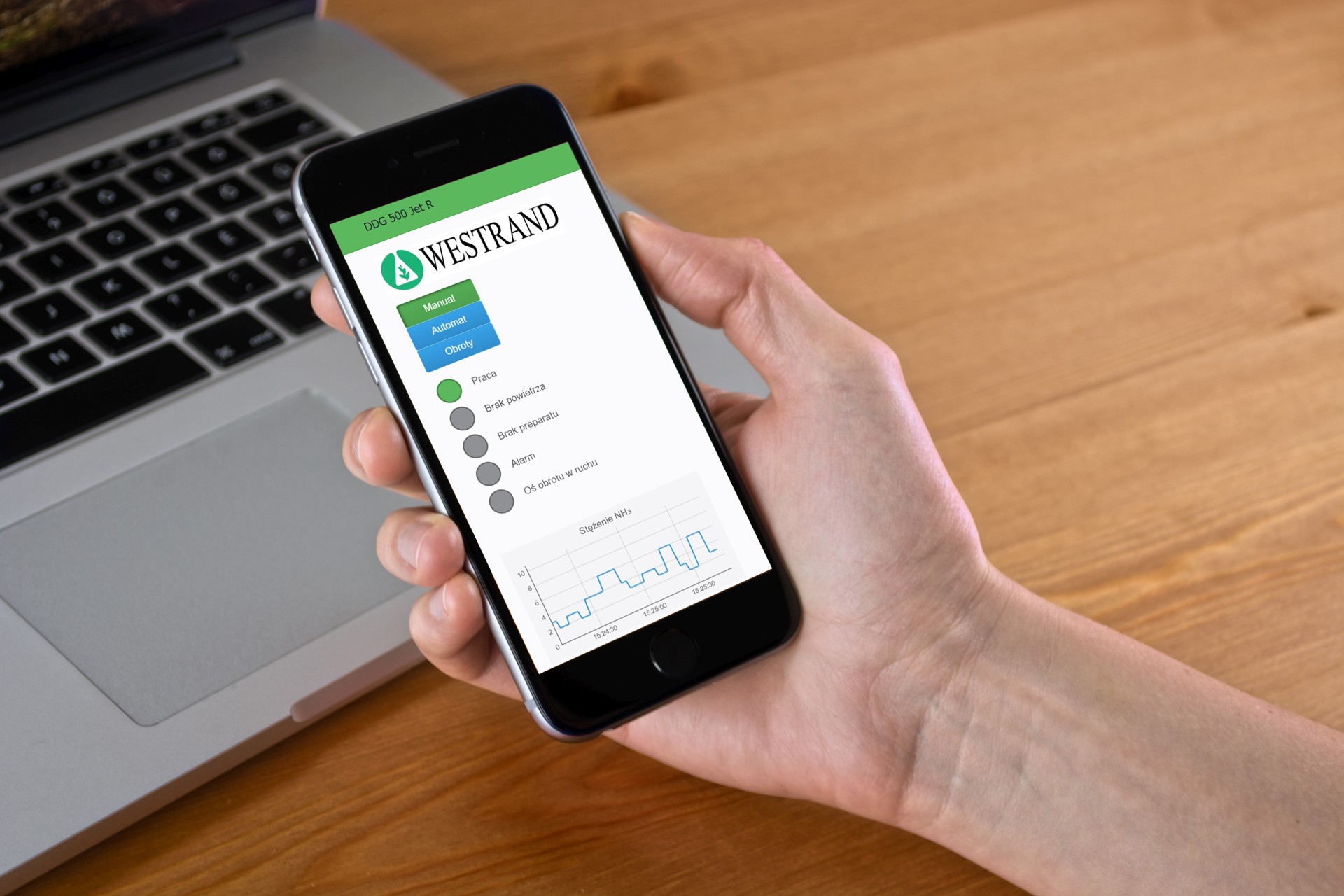
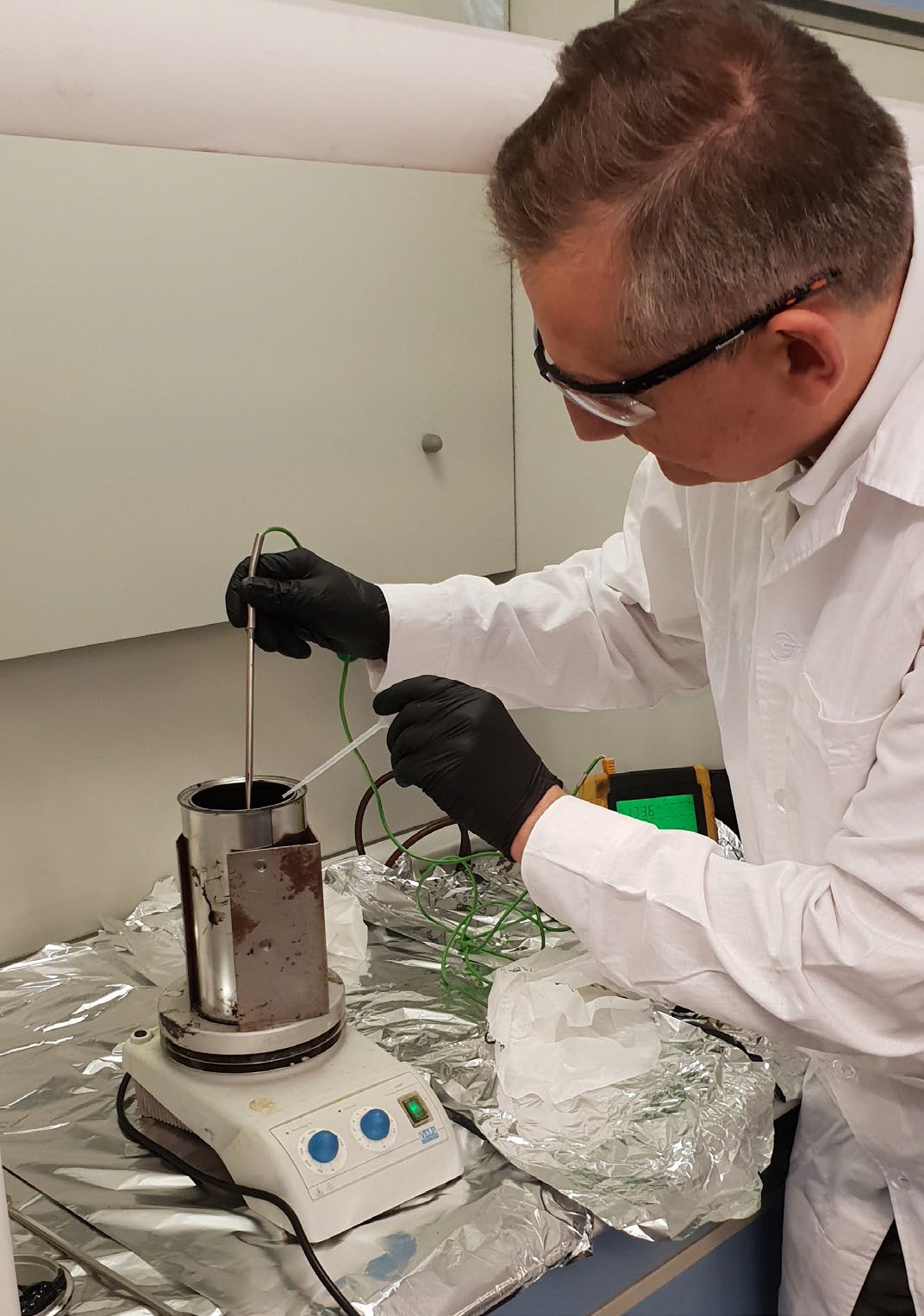
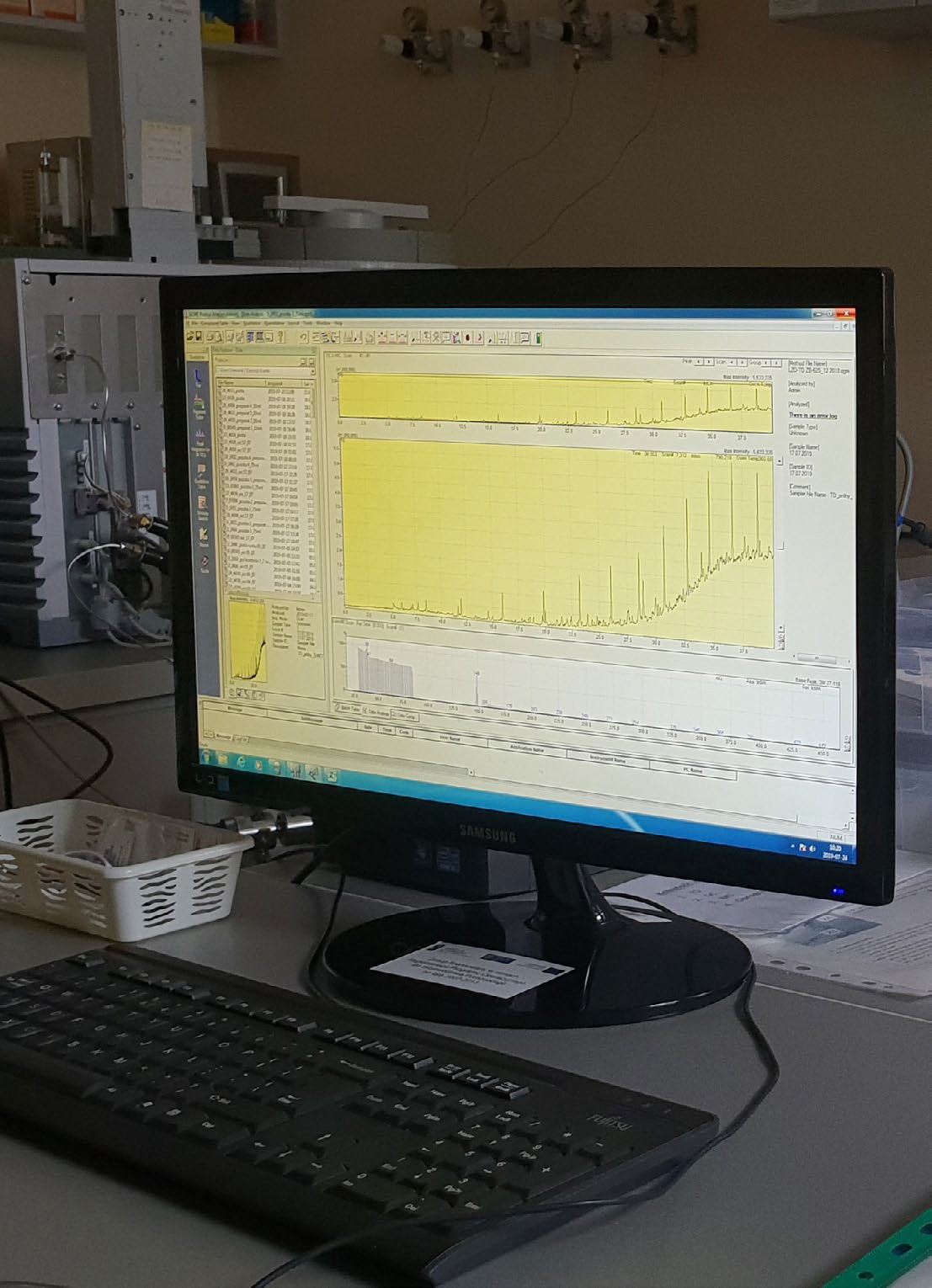

The technique we use can both replace and support other popular but often expensive deodorization methods. The neutralizers offered chemically neutralize hundreds of organic and inorganic fragrant substances, and they are combated using a variety of specialized products and methods.
The preparations are developed for numerous, unrelated industrial production sectors. The Westrand’s specialists can design neutralization methods even for very unusual cases, taking into account production conditions, company location, topography, and meteorological conditions.
Our company deals with the neutralization of volatile toxic compounds, which by the way lose their odour-active properties. We set standards and develop methods that guide other companies.
The deodorization systems offered are used in more than 25 countries worldwide – in Europe, the Middle East (Saudi Arabia, the Emirates, Lebanon, Israel), Asia (Vietnam, Japan), and North America (Canada, USA).